At first glance, poetry and technology might seem like opposites. One speaks in emotion and imagery; the other, in logic and syntax. But maybe that’s not the case, as the human spirit is surely present in everything a human does - even building apps, right?
Emily Dickinson’s “Hope is the thing with feathers” reminded me of this connection.
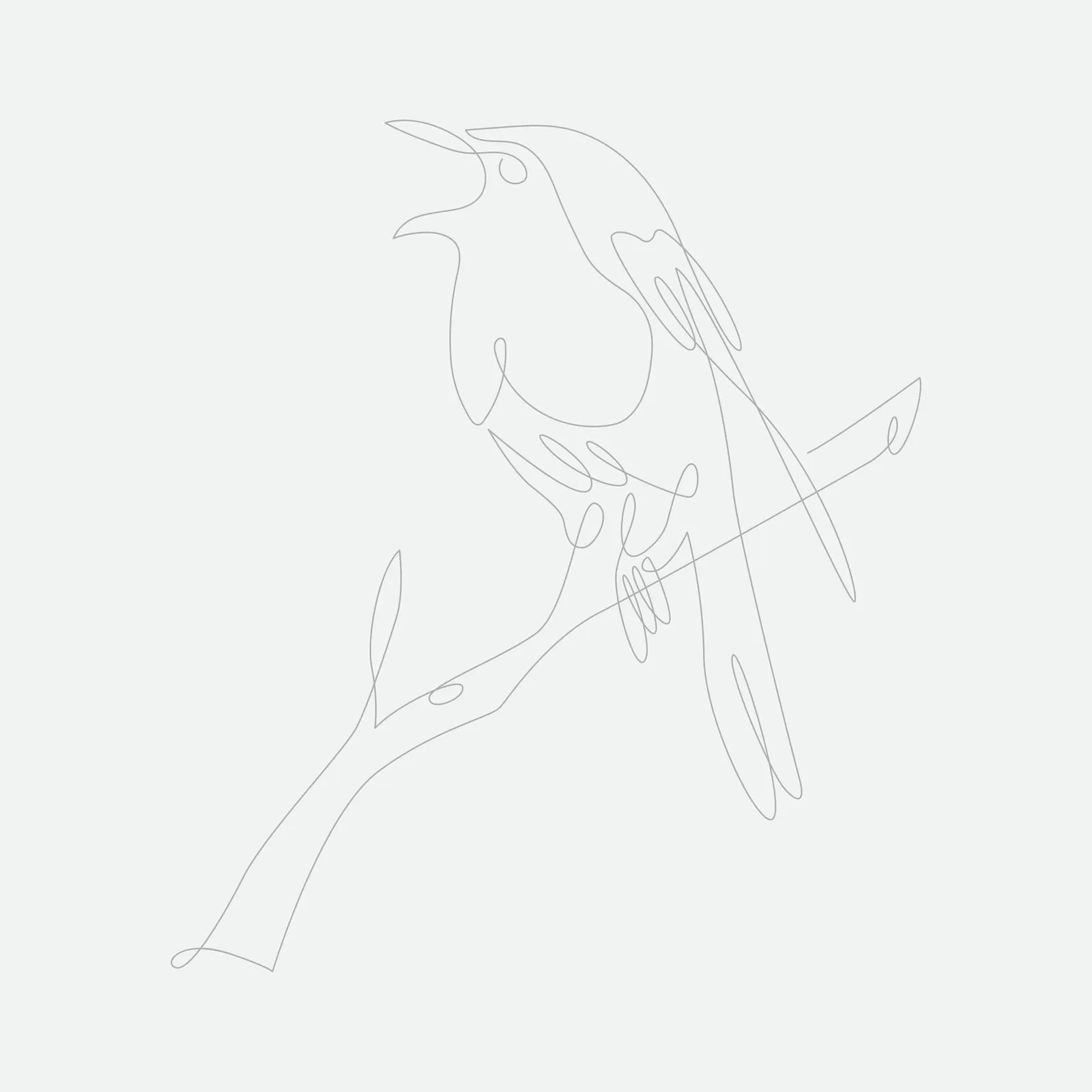
It’s a short, deceptively simple piece that likens hope to a small bird that “perches in the soul,” singing continuously, even through the storm. It’s a quiet but powerful metaphor and one that feels remarkably aligned with the challenges in both technology and the world at large.
In software development, there’s often this abstract, intuitive belief that a solution exists, even before it’s fully expressed in code. That belief, that small, persistent voice - keeps us exploring, experimenting, and iterating, even when the path forward isn’t yet clear. It’s a kind of hope, a creative confidence that what we imagine can eventually take shape.
And beyond our work, in the wider context of global uncertainty and climate change, Dickinson’s message feels even more urgent. Hope isn’t passive, It’s active, resilient, and quietly determined. It drives us to keep building better systems, to seek sustainable solutions, and to believe that our collective ingenuity can make a difference.
In its essence, “Hope is the thing with feathers” is a message to lighten the heart and celebrate the wonders of the human spirit - the same spirit that fuels creativity, innovation, and the belief that there’s always a way forward.